

At the fastest speed humans have ever traveled, it would take a staggering 300 years to reach Mars. That fact alone makes you pause and ask: why would anyone invest so much effort and resources into moving humans to an uninhabitable planet when our own home, Earth, is struggling so much?
It’s a question that taps into the heart of human ambition and responsibility. Mars is the classic symbol of exploration, the next frontier. But Earth is the only place we currently call home, and it’s facing dire challenges—from climate change and biodiversity loss to pollution and social inequality. So why does the idea of colonizing Mars still captivate the human imagination?
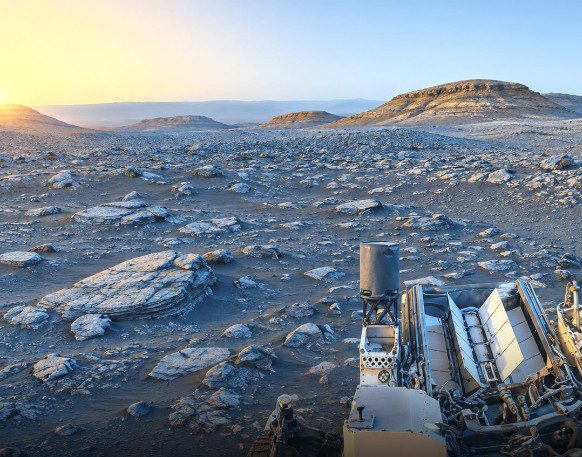
The Allure of Mars
Humans have always been explorers. We push boundaries not just for survival but for curiosity, innovation, and hope. Mars represents a clean slate, a chance to build something new, and perhaps a backup plan for humanity’s future. The challenges of transforming Mars into a livable environment—even in tiny, incremental ways—could spark technologies that also help fix Earth’s problems.
There’s also the inspirational element. Space exploration unites people across borders and ignites interest in science, technology, engineering, and math (STEM). It’s a beacon of what we can achieve when we dream big and collaborate globally.
Why Earth Needs Our Focus
That said, the 300-year journey to Mars at current speeds is a reminder of how far off that vision still is. Meanwhile, Earth’s problems demand immediate attention and resources. Fixing our planet isn’t just about preserving nature—it’s about ensuring a sustainable future for all living beings, including ourselves.
Investing in renewable energy, protecting ecosystems, improving social justice, and enhancing global health systems might not be as glamorous as rockets and space suits, but these efforts have tangible, urgent impacts. They address the root causes of instability and create a healthier world where future generations can thrive.
A Balancing Act
So, is it a false choice between Mars and Earth? Not necessarily. Ideally, these ambitions could coexist. The innovations driven by space exploration could accelerate Earth-friendly technologies. At the same time, a healthy, thriving Earth is the foundation from which human curiosity and exploration can continue to flourish.
In the end, the question isn’t just why we’d want to go to Mars but how we balance dreaming big with caring deeply for where we already live. Maybe the real journey is learning how to be better stewards of our planet while reaching for the stars.
Thanks for pondering this with me today. Next week, we’ll dive into how some of the most exciting space tech is already helping solve environmental challenges right here on Earth. Until then, keep looking up—and around!